The more, the…

The more, the better. More »

The more, the better. More »
多多益益弁ず(たたますますべんず)。[多々益々善し。] – 司馬遷(しばせん) (紀元前145頃? – 前86頃?): 『史記』淮陰侯伝(わいいんこうでん)(中国~日本の諺) / 多ければ多いほどよい。 More »

Great minds discuss ideas; Average minds discuss events; Small minds discuss people. – (Anna) Eleanor Roosevelt (1884 – 1962) More »
大人(たいじん)は為す方法を論じ、中人は為される事を論じ、小人は為す人々を論ずる。 – エレノア・ローズヴェルト[ルーズベルト] (1884 – 1962) More »
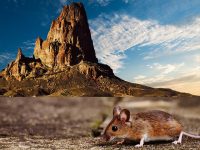
The mountains have brought forth a mouse. – Aesop (c.620 – c.560B.C.): Aesop’s Fables “The Mountain in Labor” / (Don’t make much ado about nothing.) More »
大山鳴動して鼠一匹。[泰山鳴動鼠一匹。] – イソップ[アイソーポス] (紀元前620頃 – 前560頃): 『イソップ物語[寓話/童話]』「山のお産」 / (何でもないことで大騒ぎするな。) More »
A note of music gains significance from the silence on either side. – Anne Morrow [Spencer] Lindbergh (1906 – 2001) More »
旋律はその前後の静寂で生きてくる。 – アン・モロー[スペンサー]・リンドバーグ (1906 – 2001) More »
Too many cooks spoil the broth. More »
船頭多くして船山に登る。(日本の諺) / コックが大勢過ぎるとスープを台無しにする。 More »


![IMAGE: The usefulness of (the) useless. [Everyone knows the usefulness of useful things, but no one knows the usefulness of useless things. / Everyone knows the use of the useful, but not the use of the useless.] (Even if something did not bring immediate benefit, it could still turn out to be valuable.)](https://www.ok312.net/wp-content/uploads/2026/01/place-name-sign-822236_640-100x71.jpg)