Yet the earth does…
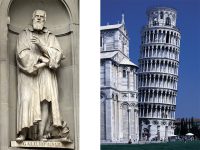
Yet the earth does move. – Galileo Galilei (1564 – 1642) More »

Yet the earth does move. – Galileo Galilei (1564 – 1642) More »
それでも地球は回っている。 – ガリレオ・ガリレイ (1564 – 1642) More »
I never think of the future — it comes soon enough. – Albert Einstein (1879 – 1955) More »
未来について思うことなんてないよ。思う間もなくやって来るんだから。 – アルベルト・アインシュタイン (1879 – 1955) More »
The more I learn the more I realize I don’t know. The more I realize I don’t know the more I want to learn. – Albert Einstein (1879 – 1955) More »
知れば知るほど無知を自覚する。無知を自覚すればますます知りたくなる。 – アルベルト・アインシュタイン (1879 – 1955) More »
We can often do more for other men by correcting our own faults than by correcting theirs. – François (de Salignac de La Mothe-) Fénelon (1651 – 1715) More »
多くの場合、自分自身の欠点を直すことのほうが、他人の欠点を直すことよりも他人のためになるものだ。 – フランソワ・フェヌロン (1651 – 1715) More »
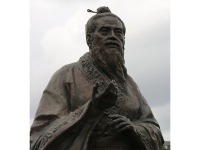
(The master said:) When we see persons of worth, we should think of equaling them; when we see persons of a contrary character, we should turn inwards and examine ourselves. – Confucius (551? – 479B.C.): Lun Yü [The Analects (of… More »
(子曰く、)賢を見ては斉しからん(ひとしからん)ことを思ひ(おもい)、不賢を見ては内に自ら省みるなり。 – 孔子 (紀元前551? – 前479): 『論語』里仁(りじん) / ([(漢)子曰、見賢思齊焉、見不賢而内自省也。]) (d BossarteによるPixabayからの画像) (Google Translateのエンジンを使用した、Sound of Textによるテキスト読み上げ) More »


![IMAGE: The usefulness of (the) useless. [Everyone knows the usefulness of useful things, but no one knows the usefulness of useless things. / Everyone knows the use of the useful, but not the use of the useless.] (Even if something did not bring immediate benefit, it could still turn out to be valuable.)](https://www.ok312.net/wp-content/uploads/2026/01/place-name-sign-822236_640-100x71.jpg)