The gentleman is harmonious…

The gentleman is harmonious but not conformable; the small man is conformable but not harmonious. – Confucius (551? – 479B.C.): Lun Yü [The Analects (of Confucius)] (trans. by Kô Shyôrin (1958 – )) More »

The gentleman is harmonious but not conformable; the small man is conformable but not harmonious. – Confucius (551? – 479B.C.): Lun Yü [The Analects (of Confucius)] (trans. by Kô Shyôrin (1958 – )) More »
君子は和して同ぜず、小人は同じて和せず。 – 孔子 (紀元前551? – 前479): 『論語』子路(しろ) / ([(漢)君子和而不同、小人同而不和。]) More »
![IMAGE: Learning without thought is labor [labour] lost; thought without learning is perilous.](https://www.ok312.net/wp-content/uploads/2014/12/confucius-547152_640-200x150.jpg)
Learning without thought is labor [labour] lost; thought without learning is perilous. – Confucius (551? – 479B.C.): Lun Yü [The Analects (of Confucius)] / (Liberty without…) More »
学びて思わざれば則ち(すなわち)罔し(くらし)、思いて学ばざれば則ち殆し(あやうし)。 – 孔子 (紀元前551? – 前479): 『論語』為政 / ([(漢)学而不思則罔、思而不学則殆。]) / (自由があっても学びが…) More »

It is not miserable to be blind; it is miserable to be incapable of enduring blindness. – John Milton (1608 – 74) More »
盲目が惨めなのではない。盲目に耐えられない人が惨めなのだ。 – ジョン・ミルトン (1608 – 74) More »

Your vision will become clear only when you can look into your own heart…. Who looks outside, dreams; who looks inside, awakes. – Carl Gustav Jung (1875 – 1961) More »
自らの心に目を向けずして、物事の本質は見えてこない……。外を見る者は、夢を見る。内に目をやる者は、目を覚ます。 – カール・グスタフ・ユング (1875 – 1961) More »
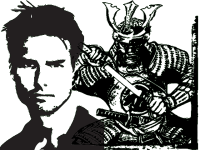
“Tell me how he died.” “I will tell you how he LIVED.” – Edward Zwick (1952 – ): The Last Samurai (It is a movie dialogue on the last samurai Katsumoto, portrayed by Ken Watanabe, between the Emperor Meiji by… More »
「彼はどんな死に方をしたのか、聞かせてほしい」「彼がどんな生き方をしたのか、お聞かせしましょう」 – エドワード・ズウィック (1952 – ): 『ラスト・サムライ』 (最後の武士として生きた勝元[渡辺謙]を巡る、明治天皇[中村七之助]とネイサン・オールグレン大尉[トム・クルーズ]の対話) More »

![IMAGE: Patriotism is your conviction that this country is superior to all others because you were born in it. [Patriotism: Your conviction that this country is superior to all other countries because you were born in it. / Patriotism is, fundamentally, a conviction that a particular country is the best in the world because you were born in it.]](https://www.ok312.net/wp-content/uploads/2025/10/ai-generated-9017144_640-100x67.jpg)
![IMAGE: 3. Perceiving the Bull. [Catching Sight of the Ox.]](https://www.ok312.net/wp-content/uploads/2020/03/Oxherding_pictures_No._3_edit312-100x75.jpg)

![IMAGE: Take the bull by the horns. [Seize the bull by the horns. / The bull must be taken by the horns.]](https://www.ok312.net/wp-content/uploads/2020/12/New-Year-Card-2021ok312net640-100x68.jpg)